On the Question of Sexism Within the Black Panther Party
Editorial Note
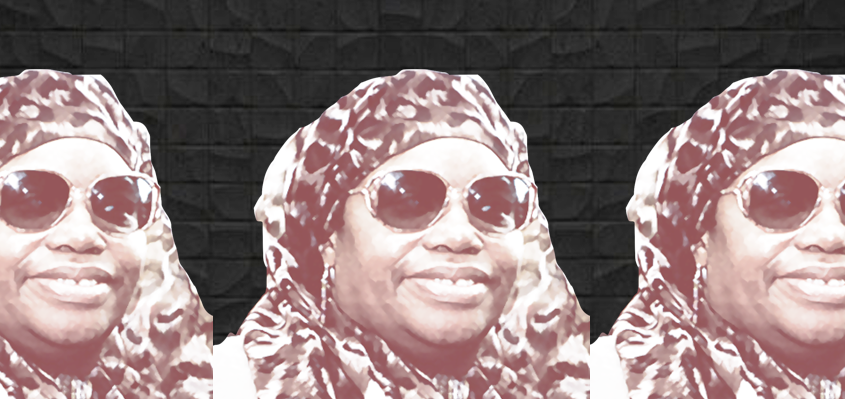
In the long durée of revolutionary struggle, few are those whose unwavering spiritual faith actually aids in deepening their commitment to liberation. Safiya Bukhari, rooted in her love for African people and her unyielding charge against the mass despotism of capitalist-imperialism, stood firm in the face of mounting adversity. Born Bernice Jones, Safiya was first galvanized by the strife-ridden experiences of impoverished Black mothers in Harlem. Initially sent there by her sorority to engage in charity work, Safiya began to see that this mass immiseration strangling Black life is a structural phenomenon.
By 1970, Bukhari had joined the Black Panther Party and was a full-fledged member leading the Liberation Schools, ensuring those who attended would be grounded in Marxist analysis. In 1975, she was captured by the state and thrown in prison on an obvious frame-up of felony possession of a weapon, murder, and attempted robbery. While in prison, Bukhari became gravely ill and decided to escape as a result of deeply execrable medical neglect. However, Bukhari was recaptured and returned to prison, where she underwent a forced hysterectomy, placing her alongside the many Black and brown women and men throughout history who were subjected to the vile medical apartheid of capital's industries of death.
Despite all the tightening folds of misery and desperation, Bukhari used these experiences of immense hardship to strengthen her Islamic faith. She did not, as many Western Marxists who misread Marx tend to believe, see an intense contradiction between spirituality and the Marxist method. In fact, it was her faith in Islam that deepened her revolutionary conviction.
Though Safiya Bukhari herself adamantly declared, "I am not a feminist," her work throughout her life was grounded in uplifting women and standing against gendered repression and misogyny. While in prison, Safiya founded the organization Mothers Inside Loving Kids to stop the separation of mothers from their children while incarcerated. Later in her life, she devoted her efforts to demanding the liberation of political prisoners in the U.S. by co-founding the Free Mumia Abu-Jamal Coalition, the Jericho Movement for U.S. Political Prisoners, and the Prisoners of War, and she served as vice president of the Republic of New Afrika.
In the Foreword to her book The War Before, Angela Davis, powerful veteran of the global communist movement, stated she wished Safiya's later writings reflected her shifting views on homosexuality. While this is absolutely understandable, this statement, though not intended to be demeaning, does somewhat seem to atomize Safiya as a person, placing her life in a fragmentary view instead of taking a dialectical vantage point and understanding that the parts of her that reflected those views—though they should be rightfully critiqued—also helped to deepen the insight of the totality of her intellectual contributions, which aided in informing her further development and shifting views. As I write this brief overview of the life of the seminal revolutionary Safiya Bukhari, I am reminded that April 2nd was her birthday.
Therefore, instead of discussing her work in the past tense, we should realize that, like all our revolutionary foremothers, though her form is not with us, her spirit continues to ripple through the sinews and contours of the movement, strengthening us all so that we may gain the needed insight internally to continue the struggle alongside her.
-Khadija Haynes, March 2026
Safiya Bukhari's essay, "On the Question of Sexism Within the Black Panther Party," is linked below.